

Which type of PV module do you find more technically intriguing or have experience with?
In the world of solar energy, the choice between P-Type and N-Type PV modules isn’t just a matter of preference; it’s a technical puzzle with real-world implications. Let’s dive into the technical distinctions:
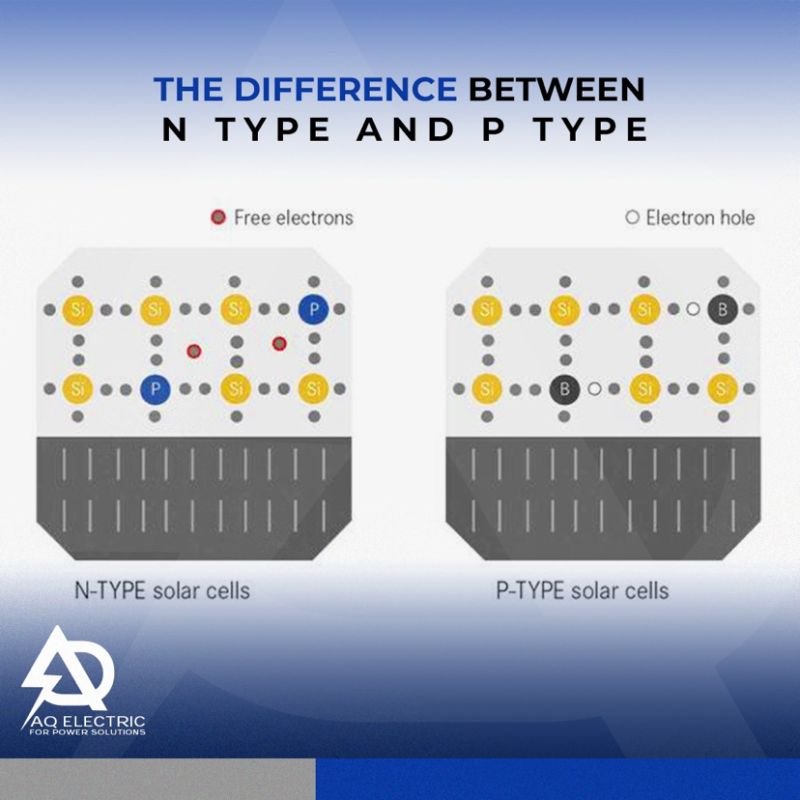
P-Type PV Modules:P-Type, or “positive-type,” modules are the familiar faces of solar panels. They’re like the bread and butter of the solar industry. Here’s the technical breakdown:
1- Silicon Purity: P-Type modules are made from silicon wafers with a relatively lower level of purity. They typically have some level of impurities.
2- Electron Mobility: Electrons in P-Type modules move relatively slowly due to impurities, leading to lower electron mobility.
3- Doping: P-Type modules are doped with boron, creating electron holes that help generate electricity when sunlight hits them.
N-Type PV Modules:
N-Type, or “negative-type,” modules are the up-and-coming stars of the solar scene, known for their technical prowess. Here’s what sets them apart:
1- Silicon Purity: N-Type modules are made from highly pure silicon wafers, free from most impurities, resulting in a cleaner crystal structure.
2 Electron Mobility: Electrons in N-Type modules move faster and more efficiently, leading to higher electron mobility and less energy loss.
3 Doping: N-Type modules are doped with phosphorus, creating a surplus of free electrons, enhancing overall performance.
The technical differences translate into tangible advantages. N-Type modules tend to offer higher efficiency, lower degradation over time, and better performance in challenging conditions like partial shading.
When selecting PV modules, the choice between P-Type and N-Type goes beyond the surface. It’s a technical decision that impacts the efficiency and long-term performance of your solar system.
For more information and requests you can reach us,,
– Email: Aqatawneh@aqelectric.net
– Mobile: +201151006630
+962795154126