

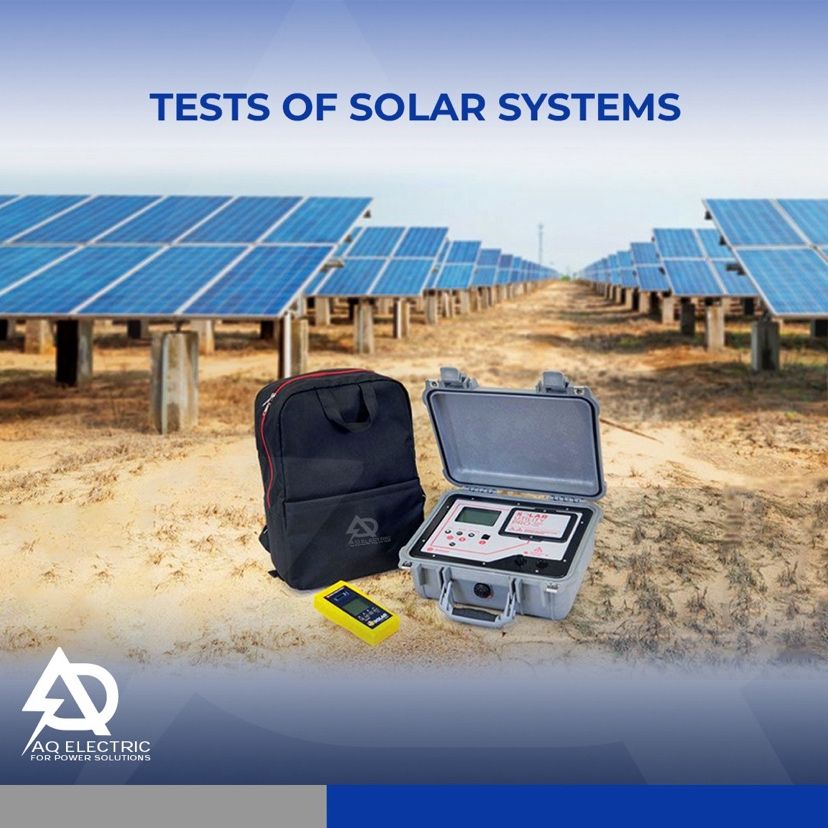
Solar installation has witnessed a significant rise in recent years, emerging as a leading source of clean, safe, and dependable energy. However, the performance of photovoltaic (PV) installations can be compromised by extreme environmental conditions over their operational lifespan. Regular testing, servicing, and maintenance of solar PV systems are essential to prolong their longevity and ensure the safe operation of PV panels, inverters, and switchgear.
A comprehensive list of tests is crucial both before and after PV system installation and during routine maintenance. The testing process typically involves two primary phases: a visual inspection and electrical testing. The visual inspection precedes any electrical testing and serves to identify any visible issues or anomalies.
During electrical testing, several key assessments are conducted:
Continuity testing: This verifies the integrity of protective earth, grounding, or bonding conductors and connections. Proper grounding is essential to mitigate the risk of electrical hazards.
Polarity testing: Ensures correct connections to other system components, such as inverters or batteries, preventing efficiency loss or potential hazards due to cross-polarity.
Voltage and current testing: Confirms that the PV system operates within its design specifications, with measurements like Open Circuit Voltage (Voc) and Short Circuit Current (Isc) providing critical insights.
Insulation resistance testing: Identifies faults in insulation by assessing the integrity of wiring and equipment, essential for safety and system performance.
Functional testing: Validates the correct mounting, connection, and operation of switchgear and control devices within the system.
In addition to system testing and measurement, performance testing is vital to ensure that the PV system operates in line with its design. This includes voltage and current measurements, along with I-V Curve tracing.
Comparisons to Standard Test Conditions (STC) are necessary, considering factors like temperature, irradiance, and spectral data, enabling verification of power and energy output against manufacturer specifications.
By conducting these rigorous tests, solar PV system operators can optimize performance, maintain safety standards, and uphold reliability throughout the system’s lifespan. These measures play a crucial role in maximizing the benefits of solar energy while ensuring a sustainable and efficient energy future.
For more information and requests you can reach us,,
– Email: Aqatawneh@aqelectric.net
– Mobile: +201151006630
+962795154126