
Solar power systems, a leading force in the renewable energy sector, have dramatically changed the way we harness and utilize solar energy. These complex systems, made up of solar panels, inverters, and often battery storage, are increasingly common. However, with the adoption of such technology comes the responsibility of ensuring their safety and efficiency.
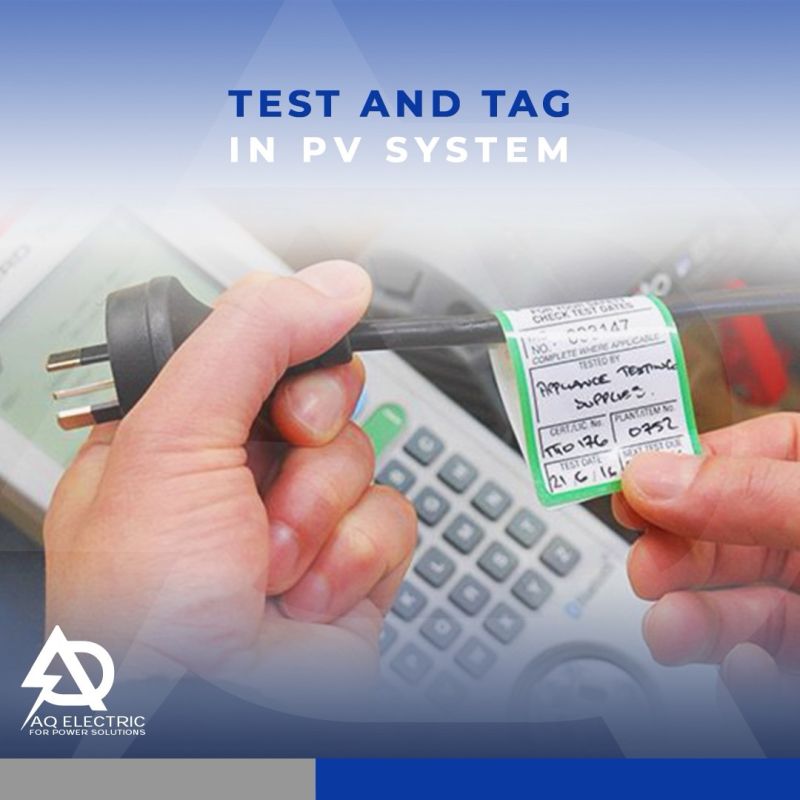
Test and tag is a safety procedure where electrical appliances are thoroughly inspected and tested for electrical safety. This process involves two key steps: first, a visual inspection to identify any damage, followed by electrical testing using specialized equipment to ensure the appliance is safe. Once an appliance passes these tests, it is tagged with a label indicating the date of the test and the next due date for testing. This process is crucial in identifying and mitigating electrical hazards, preventing accidents and ensuring the safety of users.
In the context of solar installations, test and tag is particularly relevant given the electrical nature and outdoor placement of solar panels and associated equipment.
Exposure to weather elements, the potential for wear and tear, and the risks associated with electrical systems make it imperative for these installations to undergo regular testing and tagging. This ensures not only the safety of the system but also its efficiency and longevity.
Several national and international standards govern the test and tag process. These standards provide, Guidelines on how testing should be conducted, the frequency of tests and the qualifications required to perform these tests.
For instance, standards such as the IEC 62446 outline requirements for testing, documenting, and maintaining grid-connected photovoltaic systems.
Types of Tests Conducted
1. Visual Inspections.
2. Electrical Safety Tests
3. Performance Efficiency Tests
Once a solar installation passes all the necessary tests, it is ‘tagged’ with a label that records the testing date, the outcome, and when the next test is due. This tag serves as a record of compliance and maintenance.
In summary, understanding and complying with test and tag regulations is essential for solar installations’ safety, efficiency, and longevity.
The benefits of compliance extend beyond adherence to legal requirements, contributing significantly to the operational success of solar energy systems. As solar technology advances, staying informed about and adhering to these regulations becomes even more crucial.
For more information and requests you can reach us,,
– Email: Aqatawneh@aqelectric.net
– Mobile: +201151006630
+962795154126