

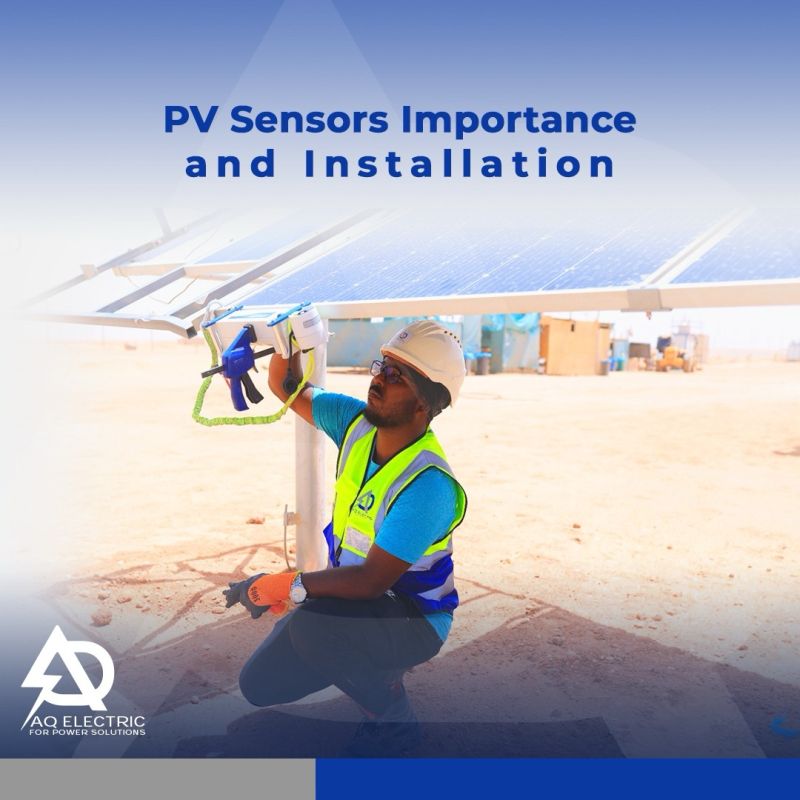
As global demand for clean and sustainable energy continues to rise, photovoltaic (PV) systems are becoming increasingly essential. However, traditional PV systems often face efficiency and performance issues due to varying environmental conditions. This is where advanced sensor technologies come into play, offering real-time insights and optimization capabilities that help address these challenges.
By integrating sensors, PV systems can significantly enhance energy production, monitor system performance, and ensure timely maintenance.
The main goals of PV performance monitoring include failure detection, establishing a performance baseline, scheduling maintenance, increasing income, reducing risks, and even facilitating the sale of PV power plants.
Key sensors commonly used in PV plants include:
* Solar irradiance sensors
* Temperature sensors
* Wind sensors
* Soiling sensors
When selecting sensors for a PV system, it’s important to consider several factors:
* The application and what needs to be measured
* Adherence to industry standards
* Environmental conditions such as frost, snow, or dust
* Accuracy requirements
* Re-calibration needs
* Power availability
* Mounting options
* Maintenance and cleaning requirements
* Data acquisition capabilities and compatibility
* Cable length and system integration needs
Choosing the right sensors is crucial for optimizing PV system performance and ensuring long-term efficiency.
For more information and requests you can reach us,,
– Email: Aqatawneh@aqelectric.net
– Mobile: +201151006630
+962795154126