

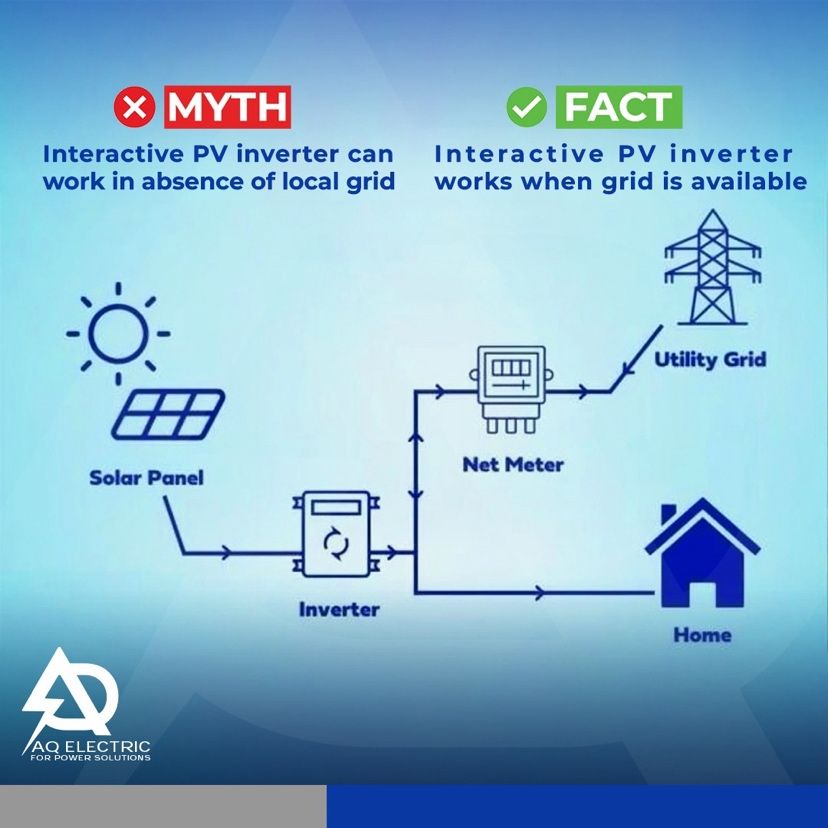
Grid interactive inverters serve as essential components in solar energy systems, facilitating seamless connectivity to the electric grid. By converting DC energy into AC energy, these inverters enable the bi-directional flow of electricity between renewable energy sources and the utility grid, fostering environmental sustainability and enhancing cost savings.
However, a pressing concern arises: do these interactive inverters continue to operate in the absence of the local grid? Traditional grid-tied solar systems encounter a critical limitation during grid outages. Firstly, grid-tied inverters rely on grid frequency and voltage references for operation, necessitating a shutdown when the grid is down. Secondly, safety protocols dictate the disconnection of inverters to prevent back-feeding power into the grid, safeguarding utility line workers.
During a power outage, utility companies dispatch line workers to diagnose and rectify the issue, requiring inverters to disconnect from the grid to avoid endangering these workers. Consequently, the entire grid-tied solar system becomes inactive until grid restoration, regardless of abundant sunlight availability.
In essence, while grid interactive inverters offer substantial benefits in normal operating conditions, their reliance on grid connectivity poses limitations during local grid outages, highlighting the need for innovative solutions to ensure continuous renewable energy access.
For more information and requests you can reach us,,
– Email: Aqatawneh@aqelectric.net
– Mobile: +201151006630
+962795154126