

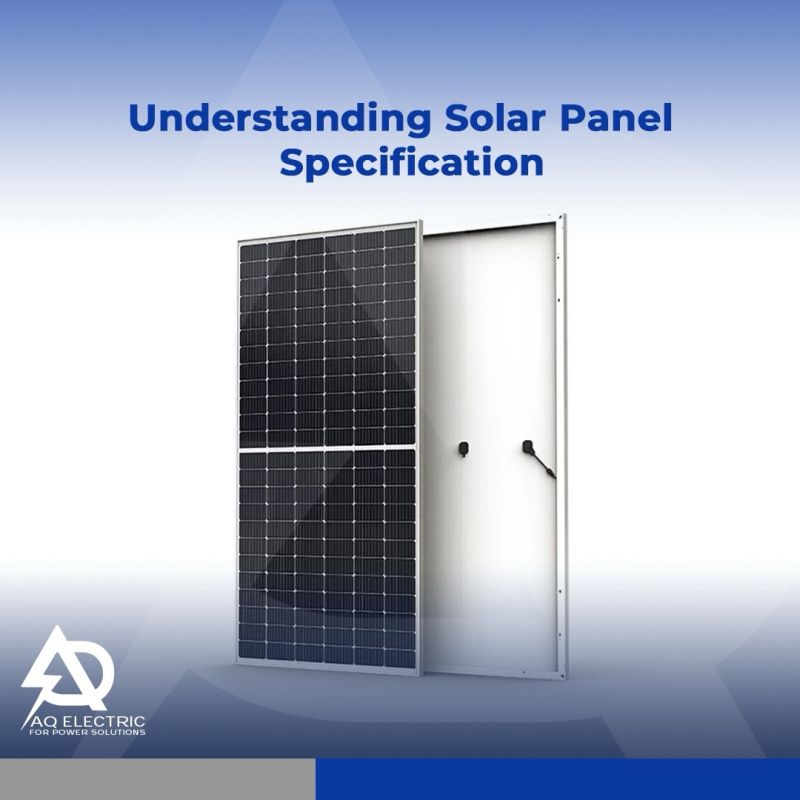
When designing or installing a solar PV system, the solar panel specification sheet is an essential tool. It provides key insights into the operating parameters of the panel, helping designers, engineers, and installers optimize the system configuration.
A spec sheet reveals important information about the panel’s electrical performance—such as its efficiency, power output under different temperatures—and mechanical details like its dimensions and wind load capacity.
Key Details Your Solar Specification Sheet Should Include:
1. Material Characteristics
The spec sheet should outline the material details, including the physical dimensions and overall size of the solar panel.
2. Electrical Specifications
This section introduces the technical metrics that define how the panel operates. Important terms include:
– Nominal Operating Cell Temperature (NOCT)
– Temperature Coefficient (%/°C)
– Maximum Power Point (MPP)
– Maximum Power Point Voltage (Vmp)
– Maximum Power Point Current (Imp)
– Open Circuit Voltage (Voc)
– Short Circuit Current (Isc)
– Power Tolerance
– Module Efficiency (%)
3. Certifications and Warranties
Ensure the spec sheet lists any certifications the panel holds and details about its warranty coverage.
How to Read a Solar Panel Specification Sheet:
If you find your first solar spec sheet overwhelming, don’t worry—there’s a lot of industry-specific terminology to get used to.
– Pmax Rating
– Voltage
– Efficiency
– Temperature Coefficient
How to Read a Solar Panel Specification Sheet:
If you find your first solar spec sheet overwhelming, don’t worry—there’s a lot of industry-specific terminology to get used to.
– Pmax Rating
One of the most important values is the Maximum Power Point (Pmax or MPP). It represents the combination of voltage and current that results in the highest power output (wattage).
– Voltage
Pay attention to voltage ratings, especially if designing systems with multiple panels in series. Ensuring the voltage stays within safe thresholds is critical.
– Efficiency
As solar technology advances, efficiency ratings improve. This metric is essential when comparing different panels for overall performance.
– Temperature Coefficient
Learn how temperature changes affect the current and voltage to understand how your system will perform under varying environmental conditions.
Knowing how to interpret these specifications will help you make more informed decisions when configuring a solar system.
For more information and requests you can reach us,,
– Email: Aqatawneh@aqelectric.net
– Mobile: +201151006630
+962795154126